Tiny Houses on Wheels: 10 Critical Factors for Family Living
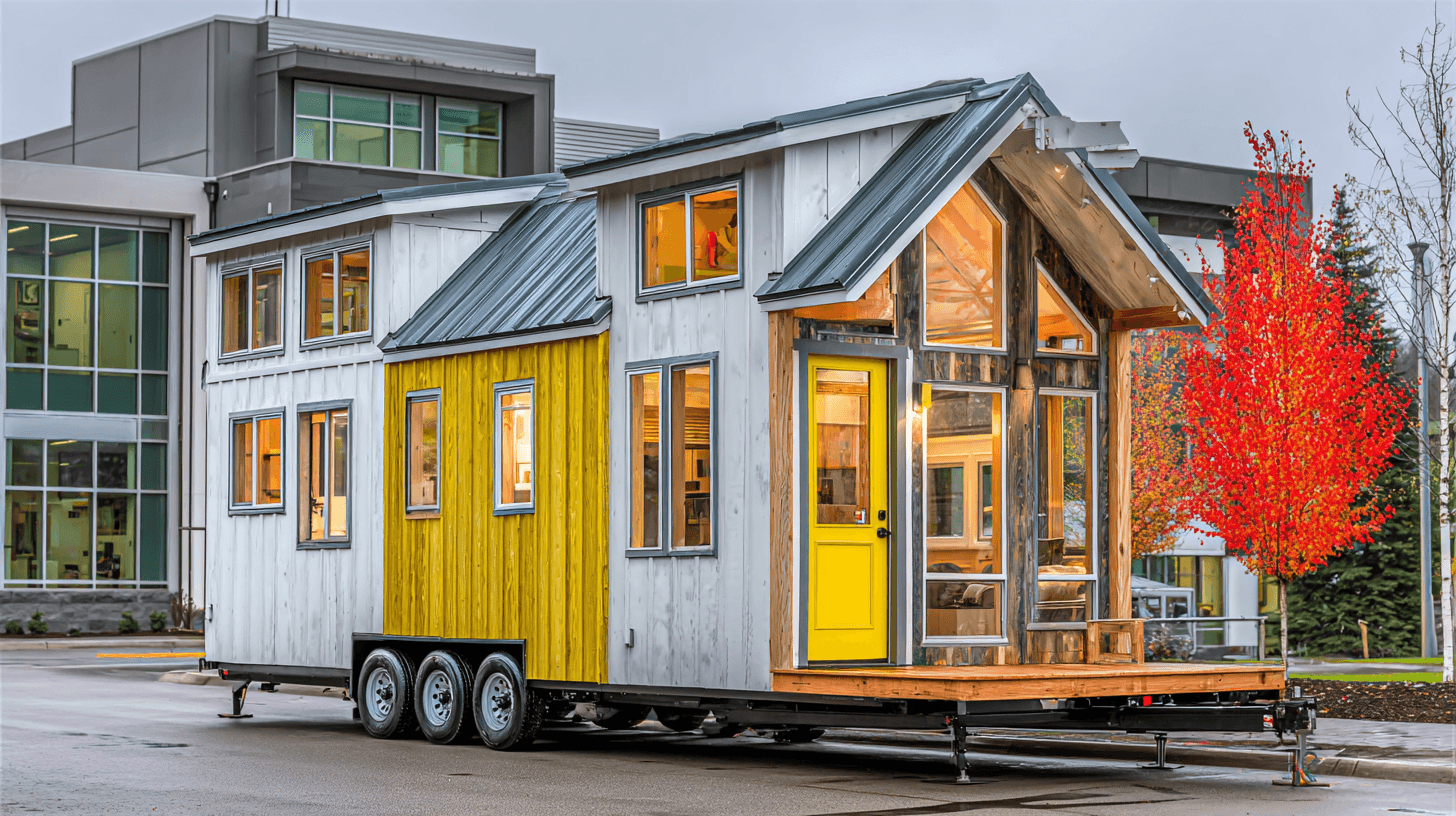
A tiny house on wheels isn't just a smaller home – it's a lifestyle transformation that requires careful planning, especially for families. Before you commit, you'll need to understand that these mobile dwellings demand strategic thinking about space, mobility, legal requirements, and family dynamics.
Why Families Choose Tiny Houses on Wheels
Families are increasingly attracted to tiny houses on wheels for several compelling reasons:
- Flexibility in living location
- Reduced housing costs
- Minimalist lifestyle
- Lower environmental impact
- Opportunity for closer family connections
10 Critical Considerations for Family Tiny House Living
1. Space Planning and Layout
Key Insights:
- Minimum recommended interior space: 250-350 sq ft for a family
- Vertical design is crucial (bunk beds, loft spaces)
- Multipurpose furniture is non-negotiable
[Explore our design gallery for family-friendly tiny house layouts]
2. Legal Compliance and Zoning
Critical Factors:
- Maximum trailer dimensions:
- Width: 8'6"
- Height: 13'6"
- Length: 40' (max for most jurisdictions)
- Research local zoning laws
- Understand parking and placement regulations
3. Financial Investment
Cost Breakdown:
| Category | Price Range |
|---|---|
| Basic Tiny House | $30,000 - $60,000 |
| Family-Optimized Design | $60,000 - $120,000 |
| Custom Features | $5,000 - $25,000 |
| Annual Maintenance | $1,500 - $3,000 |
[Check out financing options for tiny houses]
4. Family Dynamics and Privacy
Psychological Considerations:
- Defined personal spaces
- Quiet zones
- Storage for individual belongings
- Conflict resolution strategies
5. Mobility and Transportation
Technical Requirements:
- Suitable towing vehicle (usually 1/2 ton truck or larger)
- Weight distribution
- Proper trailer infrastructure
- Regular maintenance of mobility systems
6. Storage Solutions
Strategic Storage Planning:
- Vertical storage maximization
- Convertible furniture
- Minimalist approach to possessions
- Seasonal rotation of items
7. Utilities and Off-Grid Capabilities
Utility Considerations:
- Solar panel potential
- Water collection systems
- Composting toilets
- Efficient heating/cooling
8. Child-Specific Design Elements
Family-Friendly Features:
- Safety railings
- Secure sleeping areas
- Educational spaces
- Play zones
- Adaptable learning environments
9. Long-Term Livability
Growth and Adaptation:
- Modular design potential
- Expandable living areas
- Future-proofing considerations
10. Lifestyle Adjustment
Mental Preparation:
- Minimalism training
- Family communication
- Flexibility mindset
- Continuous learning
Your Next Steps
- Use our free AI design tool to prototype your family tiny house
- Browse available tiny houses for inspiration
- Attend a tiny house workshop for deeper insights
Frequently Asked Questions
Q: Is a tiny house on wheels safe for children? A: With proper design and safety considerations, tiny houses can provide a secure and nurturing environment. Focus on child-friendly layouts and safety features.
Q: How much does a family-friendly tiny house cost? A: Expect to invest between $60,000 to $120,000 for a well-designed, family-optimized tiny house on wheels.
Q: Can we rent a tiny house before buying? A: Absolutely! Renting allows your family to test the lifestyle before making a significant investment.
Conclusion
Choosing a tiny house on wheels is a significant decision that requires thorough research, strategic planning, and a flexible mindset. By considering these ten critical factors, your family can make an informed choice that aligns with your lifestyle goals.
TinyHouses Team
The TinyHouses editorial team shares insights, stories, and guides about the tiny house movement.