The Complete Guide to Building Your First Tiny House
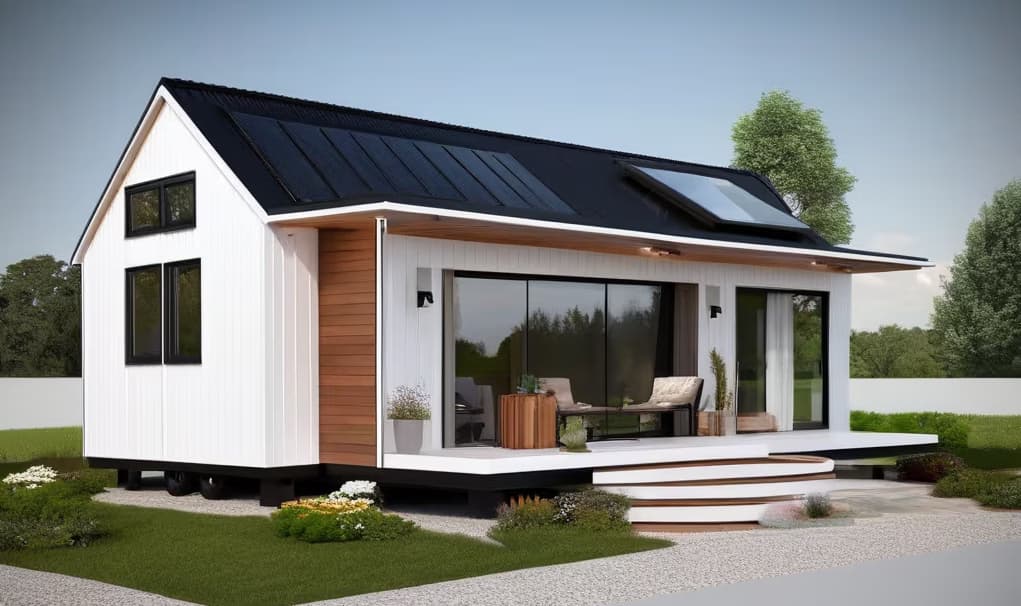
The Complete Guide to Building Your First Tiny House
Building a tiny house is more than just constructing a small dwelling—it's embracing a philosophy of intentional living. This comprehensive guide will walk you through every step of the process, from initial planning to moving in day.
Why Choose Tiny House Living?
The tiny house movement has grown exponentially over the past decade, and for good reason. Here are some of the key benefits:
- Financial Freedom: Lower mortgage or no mortgage at all
- Environmental Impact: Smaller footprint, less energy consumption
- Simplified Life: Less stuff, more experiences
- Flexibility: Many tiny homes are mobile
Planning Your Tiny House
Step 1: Define Your Needs
Before you start sketching floor plans, ask yourself these important questions:
- How many people will live in the tiny house?
- Do you work from home and need office space?
- What are your must-have features?
- Will the house be stationary or mobile?
Step 2: Research Local Regulations
Zoning laws vary dramatically by location. Some areas embrace tiny homes while others have strict minimum square footage requirements. Key things to research:
- Minimum dwelling size requirements
- Foundation vs. trailer requirements
- Utility connection regulations
- Parking and placement rules
Step 3: Choose Your Foundation Type
There are three main foundation options:
On Wheels (THOW)
- Maximum flexibility and mobility
- Usually under 400 sq ft due to road regulations
- May face zoning challenges in some areas
Permanent Foundation
- More traditional home financing options
- No size restrictions from road limits
- Easier utility connections
Skid Foundation
- Compromise between mobile and permanent
- Can be moved with heavy equipment
- Good for rural properties
Design Considerations
Maximizing Space
Every inch counts in a tiny house. Here are proven strategies:
- Vertical Storage: Use walls and ceiling space
- Multi-functional Furniture: Murphy beds, convertible tables
- Built-in Storage: Under stairs, under floor, in walls
- Light Colors: Make spaces feel larger
Essential Areas
Even in 200-400 square feet, you need to accommodate:
- Sleeping Area: Loft, murphy bed, or convertible couch
- Kitchen: Compact but functional
- Bathroom: At least a toilet and shower
- Living Space: Even a small area for relaxation
- Storage: More than you think you need
Building Process
Timeline Overview
A typical DIY tiny house build takes 6-12 months, depending on:
- Your experience level
- How much time you can dedicate
- Complexity of your design
- Weather conditions
Key Construction Phases
- Trailer/Foundation: 1-2 weeks
- Framing: 2-3 weeks
- Roofing: 1 week
- Exterior Finishing: 2-3 weeks
- Electrical & Plumbing: 2-3 weeks
- Insulation: 1 week
- Interior Finishing: 4-6 weeks
Budgeting
Cost Breakdown
A basic DIY tiny house costs between $20,000-$50,000. Here's a rough breakdown:
| Category | Percentage | Example ($30k build) |
|---|---|---|
| Trailer/Foundation | 15% | $4,500 |
| Framing & Exterior | 25% | $7,500 |
| Roofing | 8% | $2,400 |
| Electrical | 10% | $3,000 |
| Plumbing | 10% | $3,000 |
| Interior Finishing | 20% | $6,000 |
| Appliances & Fixtures | 12% | $3,600 |
Money-Saving Tips
- Source reclaimed materials
- Do as much work yourself as possible
- Plan thoroughly to avoid costly changes
- Join tiny house building workshops
Living the Tiny Life
Decluttering Before You Move
You'll need to reduce your possessions significantly. Start months before your move:
- Sort everything into keep, donate, sell, trash
- Digitize documents and photos
- Use the "one in, one out" rule
- Focus on items that serve multiple purposes
Adjusting to Small Space Living
The transition takes time. Be patient with yourself and:
- Establish daily tidying routines
- Embrace outdoor living when weather permits
- Find community spaces for activities that don't fit at home
- Regularly reassess what you truly need
Conclusion
Building and living in a tiny house is a journey that challenges conventional thinking about what we need to be happy. While the process requires significant planning and effort, the rewards—financial freedom, environmental stewardship, and a simpler life—are well worth it.
Ready to take the first step? Start by visiting local tiny house communities, attending workshops, and connecting with others who've made the transition. Your tiny dream home awaits.
Have questions about building your tiny house? Join our community discussions or reach out to experienced builders in your area.
TinyHouses Team
The TinyHouses editorial team shares insights, stories, and guides about the tiny house movement.