Tiny House on Wheels vs. Fixed Tiny House: A Comprehensive Comparison
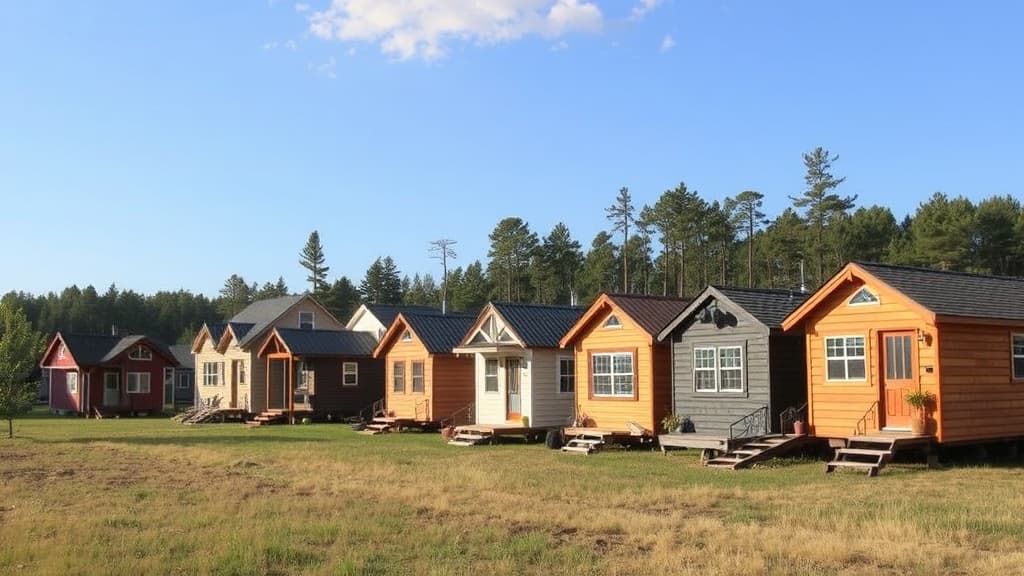
Tiny House on Wheels vs. Fixed Tiny House: A Comprehensive Comparison
In the growing trend of minimalist living, choosing between a tiny house on wheels and a fixed tiny house can be a pivotal decision. Both options offer unique advantages, catering to different lifestyles and needs. Let’s delve into a thorough comparison to help you make the right choice for your future.
What is a Tiny House on Wheels?
Tiny houses on wheels (THOW) are mobile units that can be transported from one location to another. Typically built on a trailer and designed to be lightweight and compact, they offer flexibility and freedom—ideal for those who enjoy adventure, mobility, and often changing their scenery.
Advantages of Tiny Houses on Wheels
- Mobility: Easily relocate to different settings, whether it’s a scenic mountain view or a beachside retreat.
- Flexible Living: You can park your tiny house in various locations, allowing for diverse experiences.
- Community and Camping: Many tiny house enthusiasts participate in communal living or campgrounds designed for tiny houses.
- Less Zoning Restrictions: Some areas may have fewer regulations for mobile homes, making it easier to find a place to park.
Disadvantages of Tiny Houses on Wheels
- Space Limitations: Mobility often means less space for permanent fixtures and storage.
- Utilities and Permits: Finding suitable places for utilities and permits can be more complex.
- Wear and Tear: Mobile homes can face more maintenance challenges over time.
What is a Fixed Tiny House?
A fixed tiny house is a stationary structure built on a foundation. These homes are often designed for permanent occupancy in a specific location, emphasizing stability and comfort.
Advantages of Fixed Tiny Houses
- Stability: Being stationary, they provide a stable living environment without the risks associated with mobile homes.
- Custom Designs: Fixed tiny houses can accommodate more permanent setups, like full-size kitchens, plumbing, and larger bathrooms.
- Higher Resale Value: They might have a better market value and attract buyers looking for permanent residences.
- Community Integration: Fixed tiny homes can be integrated into traditional neighborhoods, offering a sense of belonging.
Disadvantages of Fixed Tiny Houses
- Less Mobility: Once established, relocating your home can be challenging and costly.
- Zoning Issues: Fixed homes often face more stringent zoning laws, which can complicate where you choose to live.
- Space Perception: Fixed homes may feel smaller as they often lack the mobility that gives a sense of freedom.
Side-by-Side Comparison
| Feature | Tiny House on Wheels | Fixed Tiny House |
|---|---|---|
| Mobility | Highly mobile; easily relocated | Stationary; permanent location |
| Space & Size | Smaller footprint, designed for mobility | Generally offers more space and larger rooms |
| Zoning Regulations | Often faces fewer restrictions | Often faces strict regulations and permits |
| Setup and Design | Compact; may have limitations on features | Customizable with permanent installations |
| Community Living | Often involves tiny house communities or parks | Can integrate into existing neighborhoods |
| Resale & Market Value | Lower potential resale value in limited markets | Potentially higher resale value in real estate market |
| Maintenance | Can face increased wear and tear from travel | Generally easier to maintain without transportation |
Choosing What’s Right for You
Deciding between a tiny house on wheels and a fixed tiny house boils down to personal lifestyle preferences and future plans. Here are some questions to ask yourself:
- How important is mobility to you? Do you envision moving frequently or prefer a stable location?
- Are you willing to navigate zoning regulations and permits? Understanding local laws is critical.
- What are your space and design needs? Do you require more room for specific features?
- What is your long-term plan for living? Consider how your living situation may evolve in the coming years.
Both tiny houses on wheels and fixed tiny houses can offer a modern, minimalist lifestyle that resonates with eco-conscious living. By assessing your individual needs and aspirations, Tinyhouses.to empowers you to explore designs that align with your chosen lifestyle.
FAQs
Can I design my tiny house with AI?
Yes! At Tinyhouses.to, you can use our AI design generator to visualize and create your dream tiny house—whether it’s mobile or fixed.
What should I consider when budgeting for a tiny house?
Consider design costs, materials, land fees (for fixed homes), transportation costs (for mobile homes), and permits. Tinyhouses.to can help guide you through this process.
How do I find a place to park my tiny house on wheels?
Research local laws and consider tiny house communities or campgrounds that welcome mobile homes. We can assist you in finding resources and options.
Are tiny houses eco-friendly?
Yes! Both tiny houses on wheels and fixed tiny houses can minimize your carbon footprint, using sustainable materials and designs to maintain a gentle impact on the earth.
What if you can live anywhere?
Tinyhouses.to's new AI design generator lets you imagine any scenario—from location to style; possibilities are unlimited. Once you know what you want, you can start thinking of renting or buying. We can help with that too.