5 Smart Tiny House Upgrades That Actually Matter (Skip the Gimmicks)
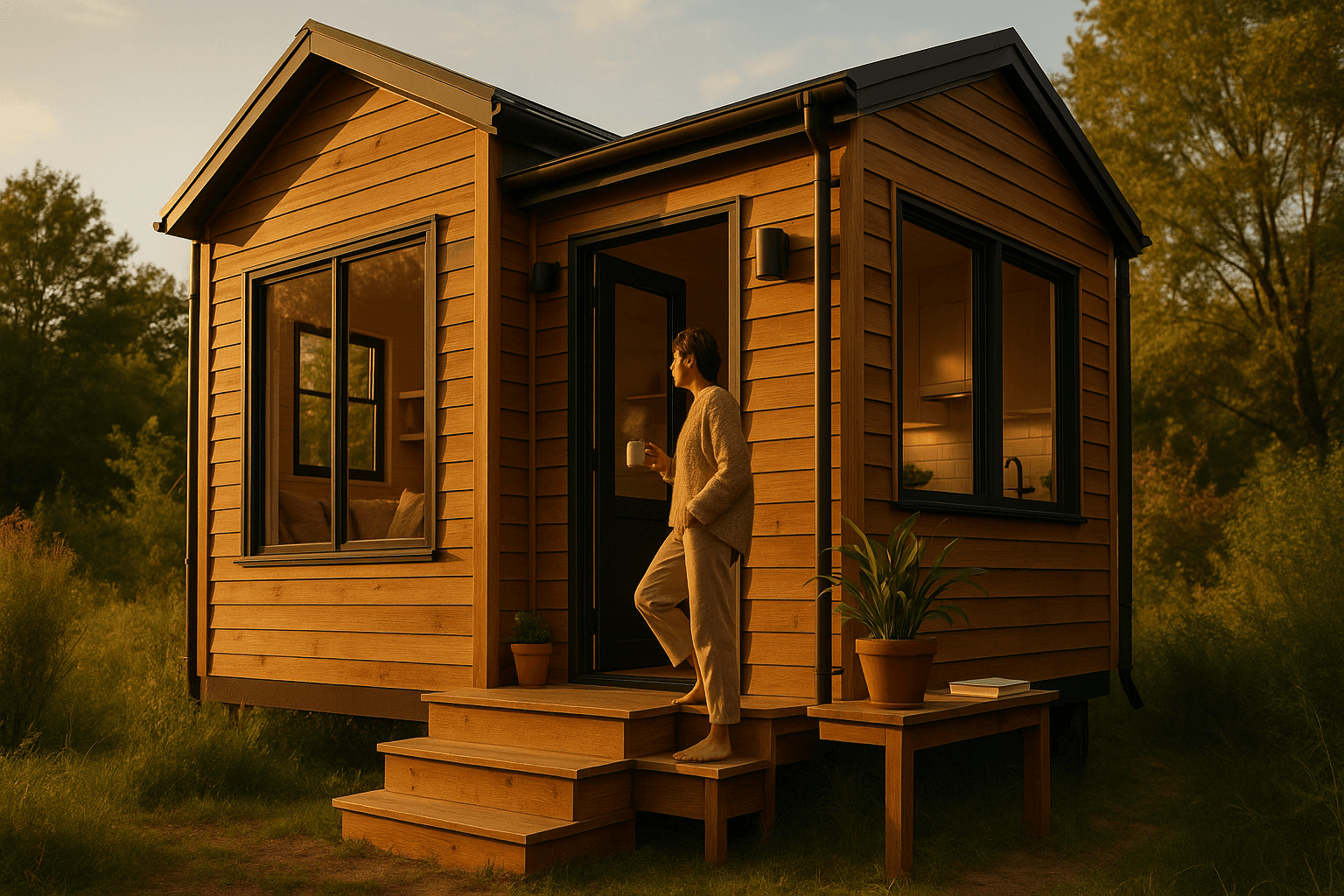
Smart tiny houses flood social media feeds—but in 200-400 square feet, only tech that prevents moisture damage, stabilizes comfort, protects limited power, and simplifies access actually improves daily life.
Here's what separates game-changers from expensive distractions, plus how TinyHouses AI helps you choose the right tech stack for your climate, power setup, and lifestyle.
The tiny house tech test: worth it or waste?
In small spaces, smart tech ROI is different. Before buying anything, ask: does this solve a tiny-specific problem?
Worth it when it:
- Prevents moisture damage or freeze-ups
- Reduces daily friction in tight quarters
- Works offline (internet fails, device doesn't)
- Has minimal power draw for off-grid living
- Functions manually when "smart" features break
Usually a gimmick when it:
- Adds complexity without solving real problems
- Requires cloud access for basic functions
- Creates unreliable automations in metal trailers with weak Wi-Fi
At TinyHouses, our AI design process uses this filter to keep your build modern—not fragile.
Upgrade #1: Humidity sensing + ventilation automation
Why it matters: One shower can spike humidity to dangerous levels in tiny air volumes. Sustained moisture above 60% RH breeds mold behind cabinets where you can't see it developing.
What actually works:
- Humidity sensors that trigger bath fans automatically
- Timed post-shower ventilation (20-40 minutes)
- CO₂ monitoring if you sleep in lofts with closed windows
Smart placement:
- Bathroom (fastest spikes)
- Sleeping loft (warm, moist air rises)
- Cold corners near exterior walls (condensation magnets)
Renter vs owner split:
- Renters: Portable humidity monitors + plug-in exhaust timers
- Owners: Hardwired fan controls integrated during design
Skip the gimmick: "Air quality score" devices with no actionable triggers or automation capability.
Upgrade #2: Micro-zone comfort control
The tiny house reality: Lofts overheat while main floors stay cool. Single thermostats miss these micro-climates entirely.
Smart approach:
- Mini-split scheduling that matches your routines
- Occupancy-based setbacks (don't heat empty air)
- Bathroom boost timers for comfort without waste
- Local controls (guests shouldn't need apps to adjust temperature)
Placement tip: Put sensors where you actually live—seated height in main areas, not just high on walls.
Renter vs owner:
- Renters: Simple portable monitors + plug-in heater timers
- Owners: Integrated mini-split schedules planned during design
Skip the gimmick: Complex multi-room systems designed for large ducted homes.
Upgrade #3: Leak detection + freeze alerts
The math: A $30 leak sensor prevents hundreds or thousands in water damage. In tiny spaces, one leak hits most of your footprint.
Must-have features:
- Loud local alarms (don't rely on phone notifications)
- Long battery life with low-battery warnings
- Temperature alerts for freeze protection
Hit list for placement:
- Under kitchen sink
- Behind toilet
- Near water heater
- Plumbing concentration points (manifolds, shutoffs)
Renter vs owner:
- Renters: Standalone leak sensors (great ROI, no installation)
- Owners: Add smart water shutoff valves for full-time living or rentals
Skip the gimmick: Cloud-only sensors with no audible alarms.
Upgrade #4: Induction cooking + power monitoring
The constraint: Most tiny homes run on 30A/50A hookups or limited inverter power. Cooking while heating water while running HVAC = tripped breakers.
Why induction wins:
- Efficient energy transfer to pans
- Less ambient heat in small interiors
- Safer than open flames or hot surfaces
Power monitoring that helps:
- Track high-draw appliances (cooktop, space heater, water heater)
- "Cooking mode" reminders to avoid competing loads
- Alerts before breaker trips mid-meal
Renter vs owner:
- Renters: Portable induction + basic plug-in power meters
- Owners: Load planning during design (induction + water heater + HVAC specs that work together)
Skip the gimmick: Maximum-wattage appliances bought without load planning.
Upgrade #5: Smart locks + access control
Game-changer for: Tiny house rentals where key handoffs become full-time jobs.
Essential features:
- Scheduled codes (work only during guest stays)
- Easy code creation/deletion for fast turnover
- Offline access (Wi-Fi glitches shouldn't strand guests)
- Auto-lock with clear status
- Physical key backup
Owner benefits too:
- No juggling keys on tiny steps with groceries
- Separate codes for family vs service people
Renter vs owner:
- Renters: Only if landlord permits and you can restore original hardware
- Owners: Choose based on use case (full-time vs rental vs occasional guests)
Skip the gimmick: Locks requiring constant internet for basic unlocking.
Fix the foundation: Wi-Fi in metal trailers
Most "smart home" frustration in tiny houses is bad connectivity. Metal frames and foil insulation create dead zones.
Tiny-specific Wi-Fi rules:
- Central, elevated router placement (not in cabinets or under beds)
- Away from large metal objects and utility closets
- Travel routers for wheels-based homes
- External antenna options for off-grid locations
- Single well-placed router often beats complex mesh in small spaces
Your tech stack: renter vs owner priorities
| Upgrade | Renters | Owners | Why It Matters |
|---|---|---|---|
| Humidity control | Portable monitors + timers | Hardwired automation | Small air volume = fast moisture spikes |
| Comfort zones | Simple schedules | Mini-split integration | Loft overheating is common |
| Leak alerts | Standalone sensors | Sensors + smart shutoffs | One leak damages most footprint |
| Power monitoring | Basic meters | Panel-level planning | 30A limits make load conflicts common |
| Smart locks | If allowed | Essential for rentals | Frictionless modern access |
TinyHouses AI: choose your tech stack
We don't treat "smart" as a universal shopping list. When you design with TinyHouses AI, we recommend tech based on:
- Climate profile (coastal humidity vs mountain dry)
- Power setup (grid vs partial vs full off-grid)
- Foundation type (wheels vs permanent)
- Use case (full-time vs weekend vs rental)
- Budget and complexity preferences
Example: Humid coastal + grid power
- Must-have: Humidity automation, leak sensors
- Nice-to-have: CO₂ monitoring in loft
- Skip: Vague "air quality" devices
Example: Cold climate + off-grid
- Must-have: Freeze alerts, low-power controls
- Nice-to-have: Simple heat setbacks
- Skip: Always-on smart ecosystems
Example: High-turnover rental
- Must-have: Smart locks with scheduled codes, leak protection
- Nice-to-have: Guest-friendly comfort presets
- Skip: Complex automations guests can't understand
Once you know your stack, browse builders and models in our global marketplace that already support your specifications.
Start with one: decision priority
- Humidity control if you're in damp climates or see condensation
- Leak detection for fastest, cheapest risk reduction
- Power monitoring if you're on 30A or off-grid with breaker/battery issues
- Comfort automation if loft temperatures swing wildly
- Smart locks if you rent your tiny or want effortless entry
Modern tiny living isn't about more gadgets—it's about fewer problems, solved quietly.
Ready to design smarter? TinyHouses AI helps you plan tech stacks, match builders, and explore possibilities from any location. Start designing at tinyhouses.to/design.