Build Your Tiny Home Abroad? The Legal Traps That Stop Projects Mid-Build
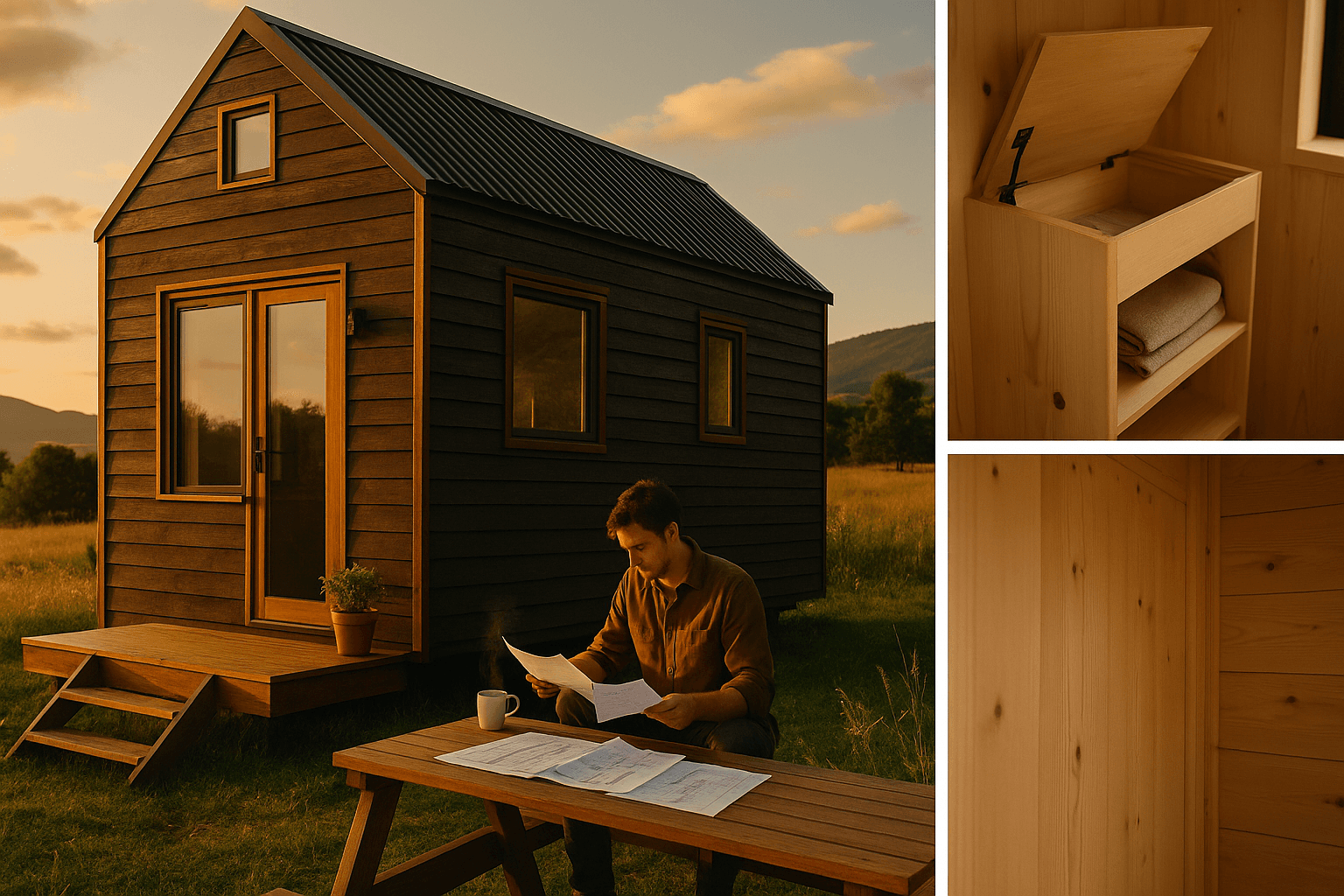
You've found the perfect plot in Portugal. Your dream tiny house design is ready. The funds are transferred. Then reality hits: you're not allowed to touch a hammer.
The cross-border trap isn't that tiny houses are illegal—it's that building itself gets tangled in owner-builder restrictions, contractor licensing, inspection requirements, and visa limitations. One wrong assumption can leave you with a half-built shell and no legal path forward.
Here's how to navigate international tiny house projects without discovering deal-breaking rules halfway through construction.
Why "I own the land" doesn't mean "I can build"
Property ownership abroad feels like freedom—until you realize that who can legally swing the hammer is regulated separately from who holds the deed.
Common roadblocks:
- Licensed-only work zones: Electrical, plumbing, and gas work often require certified professionals, regardless of your skills
- Visa restrictions: Physical labor can count as unauthorized work, even on your own property
- Principal contractor requirements: Some permits demand a registered builder take legal responsibility
- Sequential inspections: Miss one checkpoint and you'll be tearing open finished walls
- Commercial classification: Plan to rent it out? Stricter fire and safety rules may apply
At TinyHouses.to, we've seen too many dream builds turn into expensive learning experiences. The solution? Treat your tiny house like a compliance project from day one.
The 5 ways international builds get blocked (and how to dodge them)
1. Owner-builder exemptions aren't universal
That "build it yourself" freedom varies dramatically by country. What looks like a simple DIY project can hit these walls:
- Residency requirements: Non-residents often can't access owner-builder permits
- Use restrictions: Exemptions may not cover rental properties or secondary homes
- Frequency limits: "One build every three years" rules prevent speculation
- Mandatory certifications: You can build, but still need licensed sign-offs for utilities
Pre-flight check: Ask the local building authority directly: "Am I eligible for owner-builder status on this property for this intended use?"
2. The licensing maze
Even skilled builders hit the licensing wall. These trades typically require certified professionals:
- Electrical: Service connections, panels, distribution
- Gas: Propane, LPG, natural gas installations
- Plumbing: Potable water, waste systems, venting
- Structural: Foundations, anchoring, load paths
The trap: Local contractors often won't sign off on work they didn't control, leaving you without required certificates.
Smart move: Plan for licensed trades to own their scope entirely—not just inspect your work later.
3. Inspection checkpoints you can't skip
Inspections aren't final approvals—they're a sequence. Cover work too early and you'll be forced to expose it again.
Typical inspection stages:
- Site prep and setbacks
- Foundation/anchoring systems
- Framing and structural elements
- Electrical and plumbing rough-ins
- Insulation and vapor barriers
- Fire safety systems
- Final occupancy approval
Timeline reality: Build around inspection schedules, not travel dates.
4. When DIY becomes illegal work
Here's the cross-border detail most people miss: owning property doesn't automatically authorize you to perform labor.
Activities that can trigger work visa requirements:
- Operating construction equipment
- Managing subcontractors on-site
- Creating monetized content about the build
- Running workshops or paid experiences
Visa strategy: Confirm your status allows construction activities, or structure the project as delivery + local installation.
5. Classification chaos
Your tiny house's legal identity can shift at borders. The same unit might be classified as:
- Vehicle/trailer (road regulations, registration)
- Manufactured home (factory certifications)
- Modular building (site permits required)
- Import cargo (duties, VAT, documentation)
- Unapproved dwelling (no occupancy, no utilities)
Import strategy: Get written confirmation of classification and required documentation before shipping.
Your pre-flight checklist (confirm before committing funds)
Don't move money until you can answer these questions:
Legal pathway
- What classification will your unit receive?
- Which permits are required and who can submit them?
- Are non-residents eligible for owner-builder status?
Work authorization
- Which trades must be licensed?
- Is a principal contractor required?
- Does your visa allow construction activities?
Inspection requirements
- What's the inspection sequence?
- What certificates are needed for occupancy?
- Can utility connections proceed without permits?
Money matters
- Import duties, VAT, and landing costs?
- Insurance requirements for certified systems?
- How does rental income change legal requirements?
Safer project models
Not every international tiny house dream requires DIY building abroad. Choose your risk level:
Lowest risk: Buy locally built
Units designed for local codes have the highest inspection success rates. Use TinyHouses.to to browse builders worldwide and find quality options in your target region.
Balanced approach: Ship unit, hire local installation
Import your dream design but let licensed professionals handle foundation, utilities, and inspections. This hybrid model satisfies most regulatory requirements.
Moderate risk: Ship shell, finish locally
Avoid teardown requirements by importing a compliant shell and completing interior work under local permits and inspection timing.
Smart testing: Rent first
Try tiny house living in your target region before committing to land purchase or construction. TinyHouses.to's rental network lets you test climate, community acceptance, and daily logistics.
When money changes everything
Planning to monetize your tiny house? Rental income, filmed content, or paid workshops can trigger:
- Commercial building codes
- Stricter fire and egress requirements
- Business licensing and tax obligations
- Enhanced insurance requirements
Decision point: Choose "personal use" or "commercial" from day one—retrofitting compliance is expensive.
The documentation you need
Before paying deposits or booking shipping, demand:
- Dimensioned plans with material specifications
- Structural calculations and certifications
- Electrical/plumbing/gas system schematics
- Construction progress photos
- Any existing inspection records
- Clear division of factory vs. site work
At TinyHouses.to, we encourage this "permit packet" approach because beautiful photos don't pass inspections—proper documentation does.
Design around constraints, not despite them
The smartest international tiny house projects start with destination research, not dream designs. Use TinyHouses.to's AI design tools to create homes that work with local codes, climate, and cultural expectations.
Ready to design smart? Start with our AI generator that considers real-world constraints: Design your tiny home
Then explore our global marketplace of rentals and builders when you're ready to make it real. Because the best tiny house adventures happen when the paperwork is sorted first.