The Real Eco-Village Test: What TikTok Doesn't Show You About Daily Life
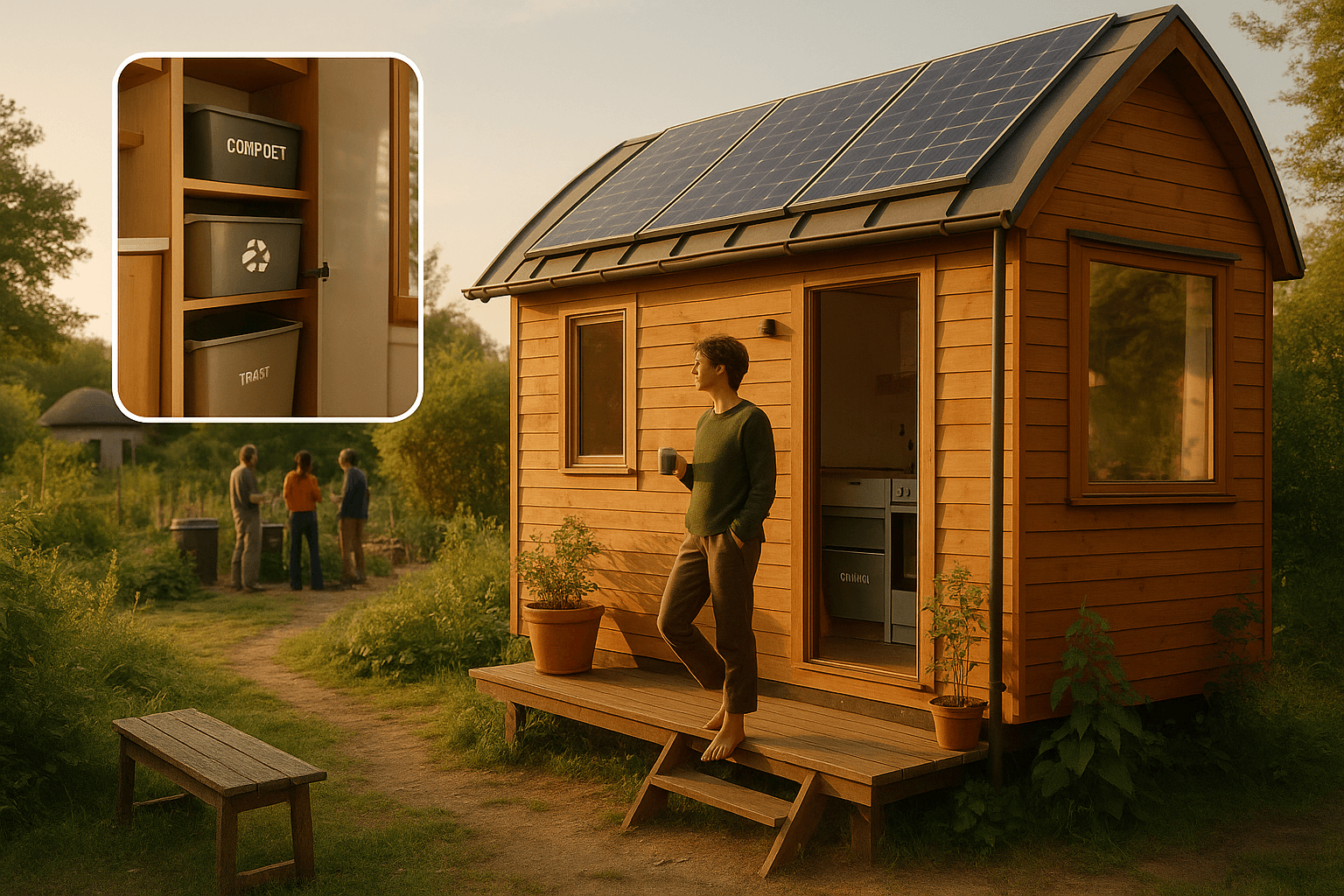
That sunset potluck looks perfect on TikTok. But what about the governance meeting where you spend two hours debating compost bin placement? Or the Wi-Fi dropping mid-Zoom call?
Eco-villages vary more by operating system than aesthetics. Two communities can look identical—but one thrives on consensus meetings while the other runs like a well-oiled machine with clear roles. Your personality fit with their daily rhythm matters more than how photogenic their gardens are.
Here's how to predict what life will actually feel like before you uproot everything.
Know yourself first (the 60-second audit)
Before you evaluate communities, get honest about your non-negotiables:
Privacy needs:
- Need daily alone time → avoid drop-in cultures
- Like people with boundaries → look for text-first communities
- Thrive on spontaneous connection → open-door policies work
Meeting tolerance:
- Hate long discussions → skip pure consensus communities
- Want efficiency with input → seek structured governance
- Love collaborative process → consensus might energize you
Work requirements:
- Need stable internet → verify backup plans exist
- Prefer clear expectations → written work policies matter
- Flexible schedule → informal arrangements could work
The compatibility scorecard
Score each category: 2 = works for you, 1 = needs clarification, 0 = deal-breaker
Aim for no hidden zeros in categories that affect your daily nervous system.
1) Governance (shapes your stress level)
What to ask:
- How are decisions made—and how long do they take?
- How many meetings per month for full members?
- Can I see recent meeting minutes?
Green flags: Written bylaws, time-boxed meetings, clear roles Red flags: Decisions change based on who's in the room, no documentation
2) Work expectations (the hidden cost)
Common requirements:
- 2-10+ hours weekly labor
- Rotating chores: compost, cleaning, maintenance
- Committee work: infrastructure, gardens, membership
What to ask:
- Required hours and what counts?
- What happens if you're sick or swamped?
- Can you pay instead of participating?
Red flags: Shame-based enforcement, unclear consequences
3) Shared resources (where friction lives)
Systems to evaluate:
- Kitchen schedules and cleanup expectations
- Laundry access and maintenance
- Tool libraries and return policies
- Vehicle sharing and parking
Green flags: Clear sign-ups, maintained equipment, transparent budgets Yellow flags: "We're working on it" without timelines
4) Privacy and boundaries (burnout predictors)
What to clarify:
- Drop-in culture vs scheduled visits
- Quiet hours (and enforcement)
- Event frequency and participation pressure
- Guest policies and overnight limits
Questions to ask:
- What does privacy mean here in practice?
- Do people text before visiting?
- How optional are community events?
5) Money and exit strategy (security matters)
Common structures:
- Rent/lease (simpler, less control)
- Co-op shares (collective ownership, resale rules)
- Community Land Trust (mission-aligned, formula pricing)
Essential questions:
- How do I get money out if I leave?
- What are the hidden monthly costs?
- Are there resale restrictions?
Request in writing: Full cost breakdown including dues, reserves, maintenance funds
The trial-stay strategy
Weekend visits show vibes. Real compatibility takes time to surface.
1-2 weeks reveals:
- Daily routines and privacy reality
- Work expectations and chore rotations
- Internet reliability during peak hours
- Meal sharing and cleanup dynamics
1-3 months reveals:
- Decision-making processes under pressure
- How conflict gets handled
- Seasonal workload changes
During your stay, test everything:
- Run your actual work schedule—calls, uploads, deadlines
- Join at least one community meeting
- Do a full chore rotation
- Skip a communal meal and see the response
- Test quiet hours and boundary enforcement
Design your tiny home for community life
Once you understand their systems, your home should complement them:
Shared kitchen culture?
- Smaller private kitchen (2-burner, compact fridge)
- Bigger pantry for potluck contributions
- Outdoor cooking setup
Work-trade focused?
- Mudroom with gear storage
- Utility sink for farm cleanup
- Durable flooring
Meeting-heavy governance?
- Real workspace with door that closes
- Acoustic treatment for calls
- Backup power and internet
Close-quarters living?
- Strategic window placement
- Entry vestibule as soft boundary
- Sound insulation upgrades
Decision framework: join, extend trial, or walk
Join when: Your non-negotiables are protected in both policy and practice
Extend trial when: Basics work but you haven't seen governance under stress
Walk away when: You find deal-breakers—leaving after a trial is the smartest, cheapest outcome
The documents that matter
Don't rely on tours. Ask for:
- Bylaws and governance procedures
- Recent meeting minutes
- Budget breakdown and reserve funds
- Community agreements (visitors, noise, pets)
- Membership pathway and trial requirements
What if this isn't your path?
Testing eco-village life might reveal that you want community connection without shared governance—or rural living without meetings. That's valuable data too.
With Tinyhouses.to's AI design tools, you can create a home optimized for whatever lifestyle actually fits: off-grid independence, suburban micro-community, or the rare eco-village that matches your operating system.
Ready to explore? Start with our AI design generator to envision your ideal setup—whether that's community-ready or beautifully independent. When you know what you want, we'll help you find ways to rent or buy it.